
Tooth Extractions – West Monroe, LA
Saving Your Smile and Renewing Oral Health

No one likes the idea of “having a tooth pulled.” However, it is sometimes necessary to protect a patient’s oral health and relieve their pain. Dr. Scott performs this procedure as gently as possible, and always with the goal of moving you toward a healthier, more comfortable smile. When are tooth extractions in West Monroe necessary, and what can you expect during and after your extraction appointment? Read on below to discover the answers.
Why Choose L. King Scott, DDS for Tooth Extractions?
- Dentist with Decades of Experience
- Wisdom Tooth Extractions Available
- Sedation Available
Reasons Why Tooth Extractions Are Necessary
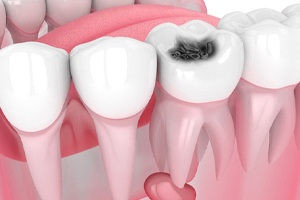
Extractions can protect your oral health and prevent future problems down the road. Your dentist in West Monroe may recommend that a tooth be removed if:
- Wisdom teeth, also known as third molars, emerge as non-functional and/or misaligned.
- A candidate for dentures only has a few worn or compromised remaining teeth in an arch.
- Patients, often younger children, have impacted teeth positioned to emerge out of alignment or teeth that block others from erupting.
- Orthodontic patients with overcrowded mouths require more space along the jaw to properly align the teeth.
- One or more teeth is severely decayed.
The Process of Removing a Tooth
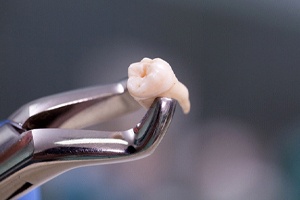
Whatever moves you to schedule an extraction appointment, expect to have a thorough examination, including X-rays, before we determine a course of action. You may feel apprehensive, so we dedicate ourselves to answering all of your questions before we proceed. Plan to discuss with us your medical history, any past extractions and associated problems with excessive bleeding, and any medications you take.
The day of your extraction, we will anesthetize the area and use an instrument called an elevator to lift the tooth. Then, we will use forceps to grip it and carefully rock back and forth to expand the socket and loosen the ligaments. You will feel some pressure, but your mouth should be numb enough that you will not experience any real pain. If you are nervous about your procedure, let us know. Many patients are candidates for sedation.
Tooth Extraction Aftercare

To protect the blood clot that will form in the empty tooth socket, we advise patients to avoid rinsing, spitting, sucking through straws, eating hot foods, smoking cigarettes, and drinking alcohol during the first 24 hours. You should also adhere to a liquid diet during the first day and use clean gauze, or even tea bags, to pack the wound. Remember, a small amount of bleeding is normal, and ice and acetaminophen (Tylenol) will help with the swelling and discomfort. After 24 hours, you’ll resume your normal oral hygiene routine, taking care to avoid the socket and the adjacent teeth.
Within a few days to a week or so, you can expect to feel significantly better. After your recovery period, we may strongly advise you to consider your tooth replacement options. You may be a candidate for a bridge or dental implant.